



TECH TALK
TECHNICAL INFORMATION AND INFORMATIVE HELP ARTICLES
How to make solvent cement joints - Video Guide
A beginner's guide to making solvent cement joints the professional way.
A how-to video on how to make plastic pressure pipe joints with solvent cement in a step-by-step process guide. The professional method for producing pressure-resistant and leak-free pipe joints. Guidance on preparing pipe, selecting and using solvent cements and cleaners.
If you find the video useful; please support us by hitting
Like and
Subscribing to our channel.
See our article for additional information and this process explained in text with diagrams:
https://www.pipewarehouseuk.com/newpage7bc88eca
Video Notes: The guide has been produced using TANGIT® PVC-U cement and MEK cleaner. As different cement products may differ in consistency, application methods may differ slightly and manufacturer's instructions should overide any timings or advice given here. For example; Tangit® PLUS range of cements might have a thicker consistency and should not be discarded if it doesn't run smoothly from your utensil, but it remains good general advice for most solvent cements available on the market.
Waiting Time Between Cementing A waiting time of 5 mins for upto 225mm diameter pipe should be observed, before further jointing of these components. During which time they should be left undisturbed, this time should be increased to 15 mins if temperature is below 10°C. Over 225mm diameter, a waiting time of 15mins should be observed and doubled to 30 mins in temperatures below 10°C. These figures relate to Tangit PVC-U Solvent Cement and will differ with different cements, always refer to the instructions from your specific cement manufacturer.
Drying Period Before Pressure Test A drying period must be observed after the last joint is made & before the application of a pressure test. The minimum drying times will depend upon your chosen cement and drying temperature. Please follow all instructions provided by your chosen cement manufacturer in regards to minimum drying times as cements can differ greatly in this regard. As a general rule for good practice, we would recommended to leave 24 hours for optimal joint strength and pressure resistance before pressure testing and commissioning of the piping system.
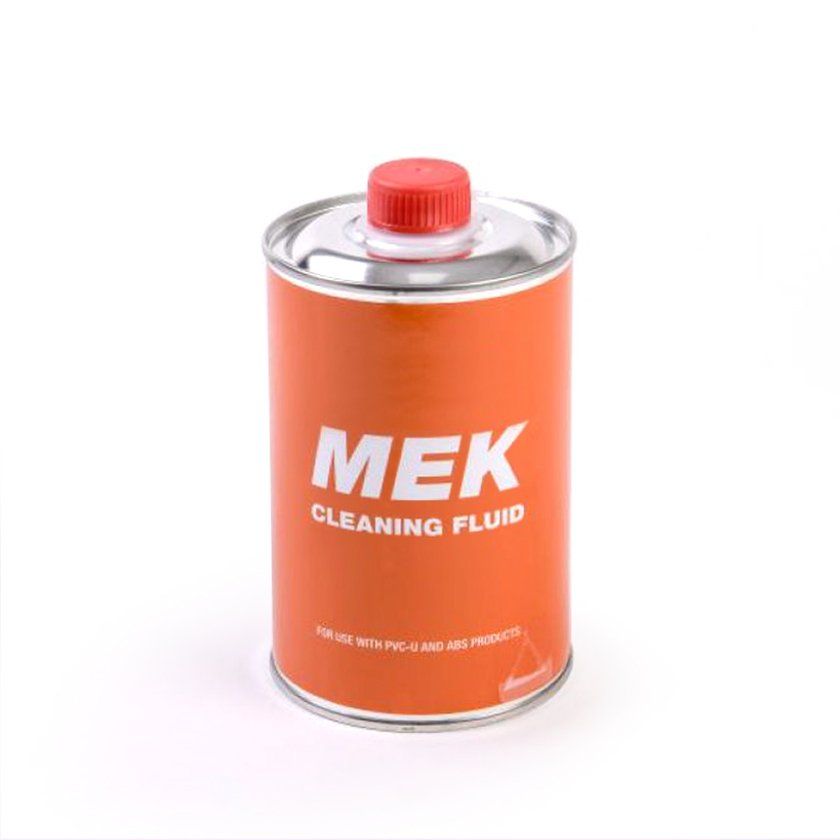
MEK Cleaning Fluid 500ml
Suitable for PVC-U & ABS products
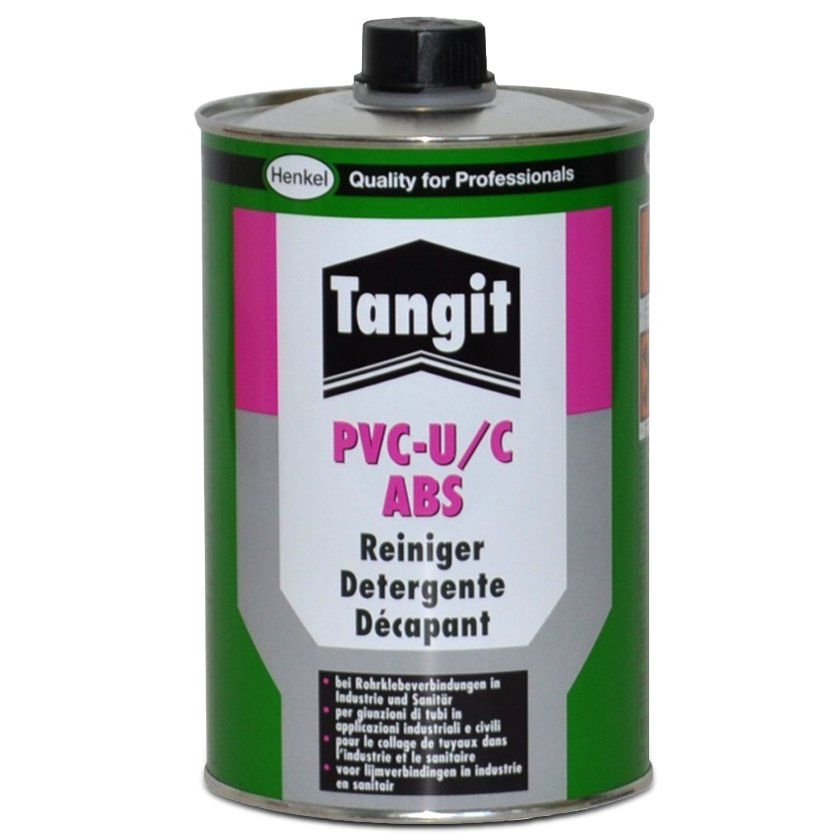
1L Tangit® Cleaner
Suitable for PVC-U, PVC-C & ABS
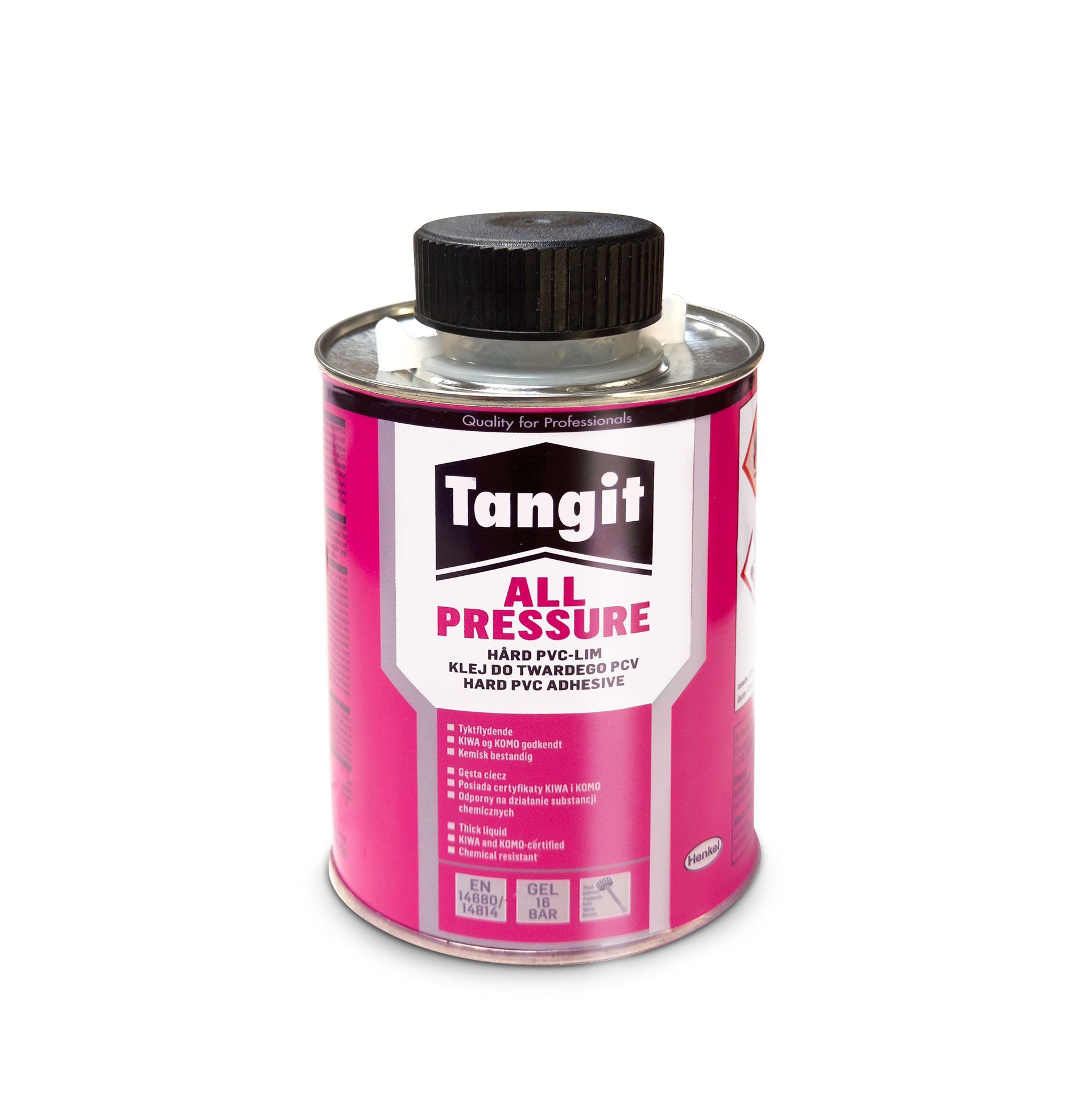
Tangit® All Pressure
Cement for rigid PVC pipes
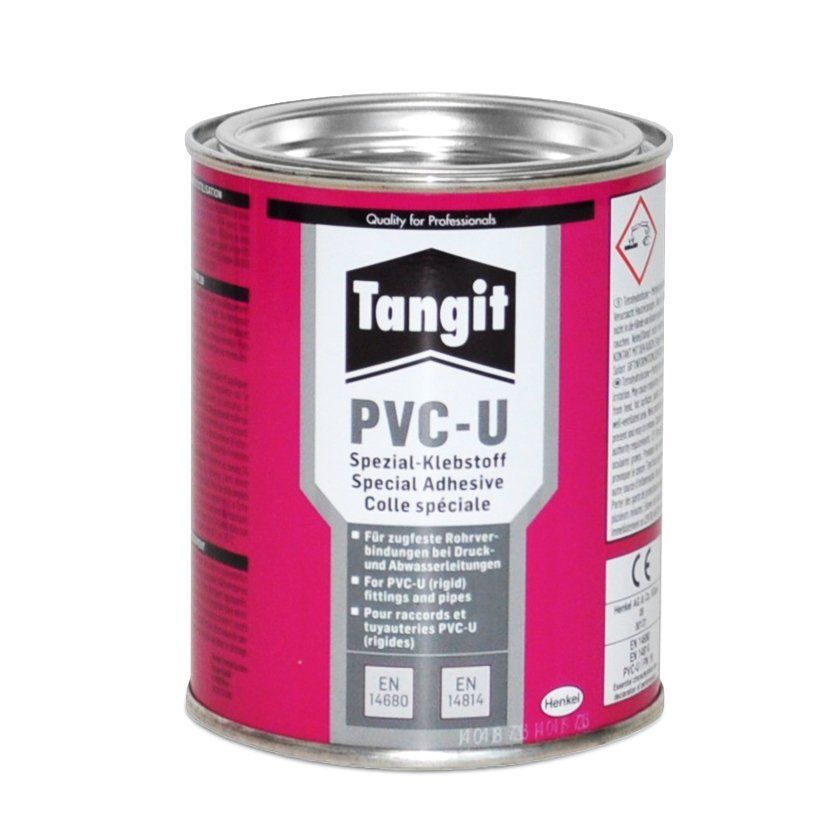
Tangit® PVC-U cement
Suitable for PVC-U Pipes and fittings
The information in this video and article is provided as a general guide to the solvent cement jointing process. Technical information relating to the performance of cements and cleaners is dependant on your chosen cement & cleaner. You should use the information in this video and article post as a general guide only and any technical information supplied by your cement or solvent manufacturer should override any information supplied in this article.